_Aden – YDH media_
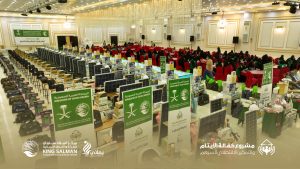
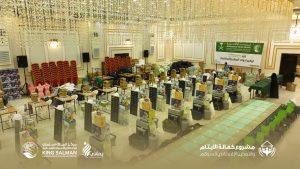
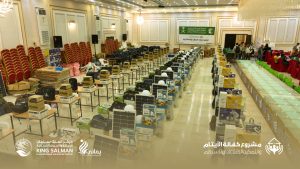
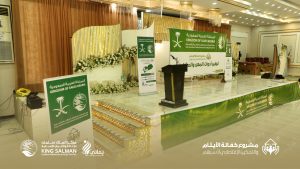
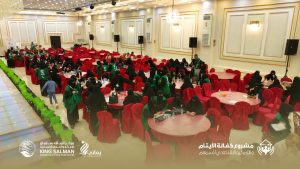
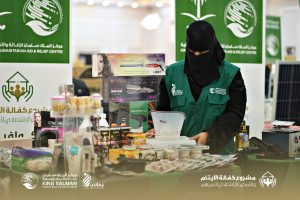
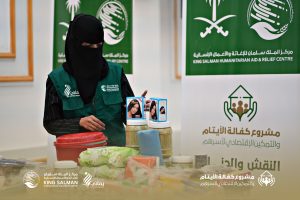
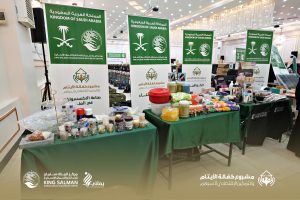
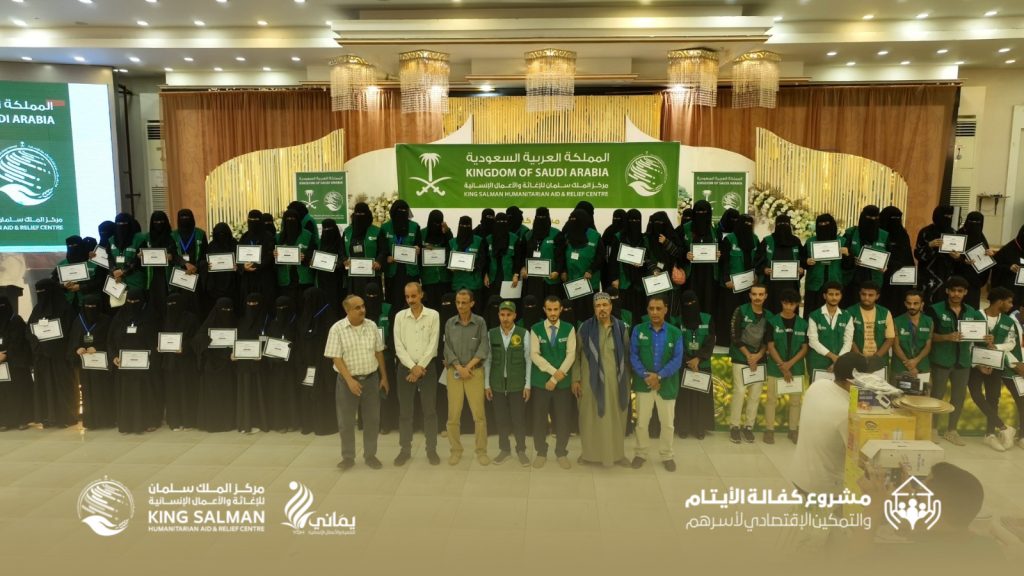
Through the implementing partner Yamany Foundation for Development and Humanitarian Works (YDH), King Salman Humanitarian Aid and Relief Center (KSRelief) provided income-generating projects to single-headed families in Aden and Lahj governorates.
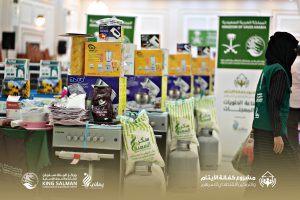
Today, the Center has provides 100 income-generating projects as part of the Sponsoring Orphans and Economic Empowerment of their Families project, phase II.
Mr. Saleh Mahmoud, Undersecretary of the Social Welfare Sector, stated that these bags will contribute to increasing the income of families supporting orphans, and this empowerment distinguishes it by providing all the tools allocated to professions and projects and directing beneficiaries to the labor market directly.
As, the Relief Coordinator, Dr. Jamal Balfaqih, wished success to all the families supporting the orphans and that this golden opportunity should be used positively.
and thanked the role of the funder King Salman Center (KSRelief) for their permanent interventions in all different fields.
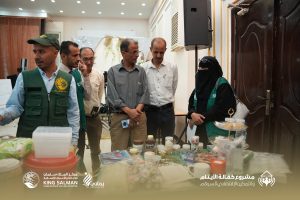
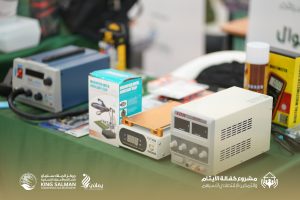
As, the Programs and Projects Director at Yamany Foundation (YDH), Dr. Anas Saif, stated that 440 families were targeted in various training fields, such as pastries, sweets , perfumes and incense making, mobile maintenance, sewing and embroidery, home-made accessories and electrical installations for solar energy systems, henna art, and hairdressing.
Dr. Anas Saif said that these distributed projects are an extension of the activities of the orphans ‘ sponsorship project and the economic empowerment of their families phase II.
The project aims to ensure 1,300 male and female orphans directly from orphans’ families in eight Yemeni governorates (Aden, Lahij, Marib, Al-Mahra, Hadhramaut, Al Hudaydah, Taiz and Al-Jawf) for a year, through which it contributes to creat sustainable employment opportunities for families that have lost their breadwinner and turning them into productive families.
It is worth mentioning that the project includes training 440 members of families who have lost their breadwinners to develop their capabilities around livelihood projects and provide them with small income-generating projects and provide the requirements for their establishment.